
Home » European
European
European Beauty, Heritage and Individuality
Europe is home to an extraordinary variety of countries, languages, communities and cultural traditions. From Northern and Southern Europe to Western, Central and Eastern Europe, every region has its own distinctive history, identity and creative influence.
The term “European” therefore does not describe one appearance, personality or way of life. Every woman brings her own family background, personal experiences, values and sense of style.
A respectful appreciation of European women begins by recognising this individuality rather than relying on assumptions connected to nationality, accent or appearance.
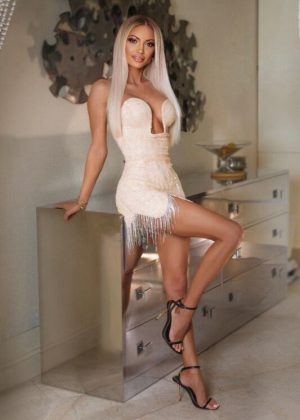


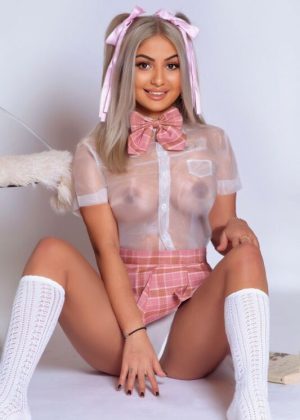

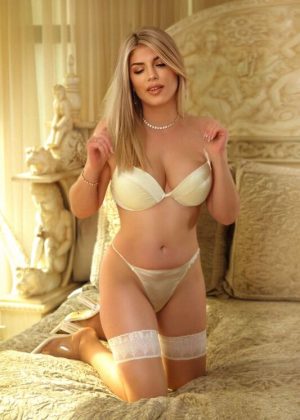
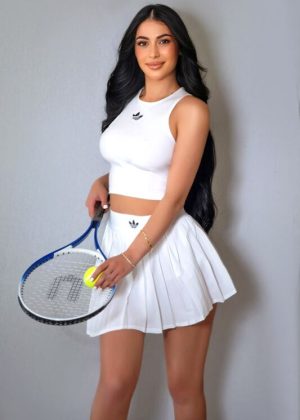


A Rich and Varied Heritage
European heritage has been shaped by centuries of art, literature, music, architecture, fashion, cuisine and social change. Each country has contributed its own customs and traditions, often with considerable differences between neighbouring regions.
Some women may feel deeply connected to their national heritage, language or family traditions. Others may identify more closely with modern British, international or multicultural life.
Many people draw upon several cultural influences at once. A woman may embrace traditional celebrations while also expressing herself through contemporary fashion, music and personal interests.
There is no single correct way to experience or represent a European identity.
Endless Expressions of Beauty
European beauty cannot be reduced to one skin tone, hair colour, body shape or facial structure. The continent includes women with an extensive range of complexions, features, hair textures and personal aesthetics.
Some may favour understated elegance and natural beauty. Others may enjoy polished glamour, bold fashion, artistic styling or looks influenced by regional traditions.
Beauty may be expressed through:
- Contemporary European fashion
- Classic and minimalist styling
- Traditional fabrics or jewellery
- Natural or glamorous makeup
- Individual hairstyles and personal presentation
- Confidence, posture and self-expression
No one appearance represents European beauty. Its richness comes from variation, creativity and individuality.
Beauty From Within
Physical appearance may create a first impression, but character often determines how someone is remembered.
Warmth, emotional intelligence, humour, compassion and confidence can all contribute to a person’s presence. Kindness and good manners are especially meaningful when they are genuine expressions of an individual’s values.
These qualities should not be assumed simply because someone comes from a particular country. Every woman has her own personality, communication style and life experience.
To recognise someone as beautiful inside and out is to appreciate her humanity, principles and character alongside her appearance.
Kindness and Good Manners
Courtesy can make social interaction feel comfortable and welcoming. Thoughtful communication may involve listening carefully, speaking respectfully and recognising when another person wishes to change the subject or maintain privacy.
Good manners are not about rigid formality. They can be expressed through simple consideration:
- Pronouncing someone’s name correctly
- Listening without interrupting
- Avoiding intrusive personal questions
- Showing interest without making assumptions
- Respecting personal space and boundaries
- Communicating with patience and courtesy
A respectful conversation gives both people room to be themselves.
Avoiding Cultural Stereotypes
European women are sometimes described through broad assumptions concerning their appearance, temperament, femininity or relationships.
Stereotypes suggesting that women from certain countries are naturally reserved, passionate, glamorous, traditional or submissive overlook the diversity found within every society.
Even a stereotype intended as a compliment can feel limiting. It may make someone feel that she is being viewed as a nationality or fantasy rather than as an individual.
A more thoughtful compliment focuses on something specific and genuine, such as a woman’s style, smile, confidence, humour or conversational warmth.
Language, Accents and Identity
Europe contains hundreds of languages and regional dialects. Many European women are multilingual, while others may speak only one language or may have grown up entirely in the United Kingdom.
An accent should never be mocked, imitated or treated as an indication of intelligence. Asking politely about someone’s language or background may be appropriate when the conversation naturally leads there, but no one should feel required to explain her identity.
Making the effort to pronounce a person’s name correctly is a simple but meaningful form of respect.
Traditions and Modern Life
European identities often combine heritage with modern living. Traditional food, family celebrations, religious observances, music and clothing may remain important to some women, while others may feel little connection to those customs.
Neither approach is more authentic.
A woman may value family traditions while living a highly contemporary lifestyle. Another may prefer not to define herself through national heritage at all.
Respect means allowing each person to decide which traditions matter to her and how openly she wishes to discuss them.
Privacy and Personal Boundaries
Cultural curiosity should never become an excuse for intrusive questioning. Topics such as immigration, religion, family history, politics or personal relationships may be sensitive.
A woman should remain free to answer fully, respond briefly or decline to discuss a subject altogether.
Respectful interaction involves noticing boundaries and accepting them without pressure. Someone does not owe another person personal information simply because her accent, name or appearance has inspired curiosity.
Appreciating the Complete Person
European women should not be viewed only through nationality, appearance or cultural background. Every woman has her own ambitions, interests, humour, values and personal story.
Cultural awareness can enrich a conversation, but genuine connection comes from listening, kindness and mutual respect.
European beauty is not a single aesthetic. It is a broad and evolving expression of heritage, individuality, character and personal confidence.