
Home » Eastern European
Eastern European
Eastern European Beauty, Heritage and Individuality
Eastern Europe is home to a remarkable variety of countries, languages, traditions and cultural identities. The region includes communities with distinct histories and customs, shaped by influences from Central Europe, the Balkans, the Baltic region, Slavic cultures and many neighbouring traditions.
For this reason, there is no single Eastern European appearance, personality or way of life. Every woman has her own family background, experiences, values and individual sense of style.
Meaningful appreciation begins by recognising the person rather than making assumptions based on nationality or heritage.


A Rich and Varied Cultural Heritage
Eastern European cultures have contributed greatly to literature, music, dance, visual art, architecture, cuisine and craftsmanship.
Family traditions, seasonal celebrations and hospitality may hold importance in many communities, although customs differ considerably between countries and individual households. Some women may feel closely connected to their heritage, language or national traditions. Others may identify primarily with contemporary British or international culture.
Many people combine several influences, creating an identity that feels both traditional and modern. Each woman should be given the freedom to describe her background in her own words.
Diverse Expressions of Beauty
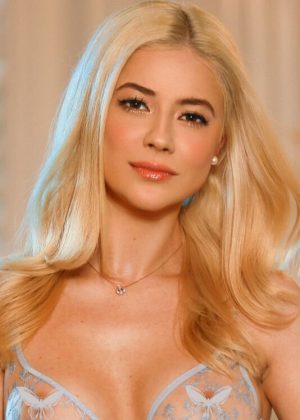
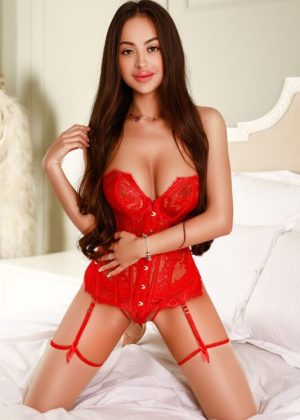
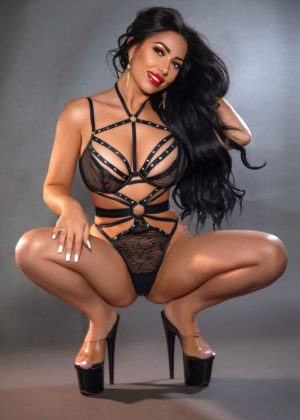
Eastern European beauty cannot be reduced to one complexion, hair colour, body shape or facial structure. The region includes women with an extensive range of appearances, from fair to deeper complexions and from light to dark hair, alongside many different features and body types.
Personal style may be elegant and understated, bold and glamorous, artistic, contemporary or influenced by cultural clothing and family traditions. Some women enjoy carefully styled fashion and cosmetics, while others prefer natural simplicity.
There is no correct Eastern European beauty aesthetic. Beauty is individual, expressive and shaped by far more than someone’s place of birth.
Beauty From Within
Physical appearance may create an initial impression, but character often determines how someone is remembered.
Warmth, intelligence, humour, emotional awareness, confidence and compassion can all contribute to a person’s presence. Kindness and good manners are admirable qualities, but they should be recognised as individual characteristics rather than expected because of someone’s nationality.
To describe a woman as beautiful inside and out is to appreciate her values, personality and humanity alongside her appearance.
Courtesy and Thoughtful Communication
Politeness and good manners can make any interaction feel more welcoming. Respectful communication involves listening carefully, speaking considerately and allowing each person to express her preferences without pressure.
It is always better to ask about someone’s interests and experiences than to assume how she thinks or behaves based on her accent, name or cultural background.
A woman should not be expected to explain her entire heritage or represent her country. She is an individual, not a spokesperson for a region.
Avoiding Cultural Stereotypes
Eastern European women are sometimes portrayed through narrow stereotypes concerning beauty, femininity, temperament or relationships. Even flattering assumptions can feel limiting when they treat people as interchangeable.
Statements suggesting that all Eastern European women are glamorous, traditional, reserved, submissive or intensely passionate overlook the enormous range of personalities found across the region.
A genuine compliment should focus on the individual. Her smile, style, confidence, conversation or sense of humour provides a more meaningful basis for appreciation than a cultural generalisation.
Language, Names and Identity
Many Eastern European countries have their own languages, alphabets and naming traditions. A person’s accent should never be mocked or treated as a measure of intelligence.
Making an effort to pronounce someone’s name correctly is a simple sign of respect. When unsure, it is appropriate to ask politely rather than shortening or changing the name without permission.
Some women may speak several languages, while others may have been raised entirely in the United Kingdom. Neither experience makes someone more or less connected to her heritage.
Personal Beliefs and Traditions
Religious and cultural traditions vary widely throughout Eastern Europe. Christianity, Judaism, Islam and secular identities can all be found across the region, alongside many individual beliefs and family customs.
No one’s values, relationship preferences or lifestyle should be assumed from her country of origin. A woman may embrace traditional customs, reinterpret them in her own way or feel no particular connection to them.
Respect means allowing each person to decide which aspects of her heritage are meaningful and which remain private.
Privacy and Personal Boundaries
Questions about nationality and culture can be welcome when they arise naturally and are asked with genuine interest. However, no woman is required to discuss her immigration history, family circumstances, political experiences, religion or private life.
Personal boundaries should be accepted without repeated questioning. A respectful interaction allows cultural curiosity while recognising that some subjects may be sensitive or deeply personal.
Privacy also means not making assumptions about someone based on political events or conflicts connected to her country.
Appreciating the Complete Person
Eastern European women should not be viewed solely through appearance, accent or nationality. Every woman has her own ambitions, humour, interests, principles and personal story.
Cultural awareness can enrich an interaction, but it should never replace genuine human connection. The strongest conversations are built through courtesy, attentive listening and appreciation of the person present.
Eastern European beauty is not one look or personality. It is an expansive reflection of individuality, heritage, creativity and character.